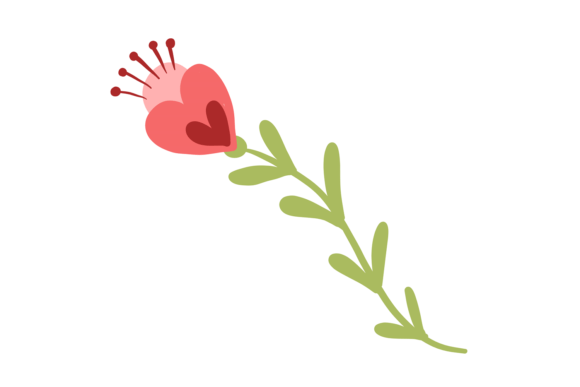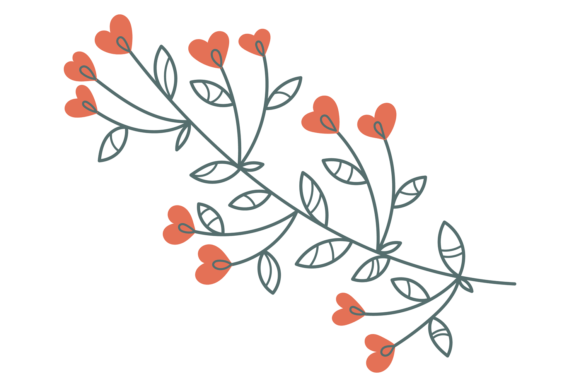
Decorative Branch with Red Flowers: A Cute Design Element
Understanding the Visual Appeal of This Ornament
When you encounter a Decorative Branch with Red Flowers, the immediate impression is one of delicate charm and natural elegance. This isn't just a simple botanical illustration; it's a carefully crafted ornament element designed to inject personality into a project. The "cute" descriptor is key here. It suggests soft lines, perhaps slightly stylized or whimsical proportions, and a color palette centered on vibrant red blooms against a clean branch structure. Isolated on a white background, its versatility is maximized. The availability in formats like EPS, JPG, SVG, and transparent PNG means this single asset can transition seamlessly from a high-resolution print poster to a crisp website icon or a layered social media graphic.
The style leans towards a blend of modern botanical illustration and graphic ornamentation. It’s not a hyper-realistic photograph, which can sometimes feel heavy. Instead, it offers a lighter touch—perfect for adding a seasonal flourish, a touch of warmth, or a feminine accent without overwhelming the core message. The red flowers provide a strategic pop of color, making it an excellent tool for drawing the eye or creating a focal point within a layout. Its personality is approachable and versatile, straddling the line between decorative flair and functional design element.
Where This Element Shines: Practical Applications
This type of creative font element—though here it's a graphic—shares a similar philosophy with premium fonts: it's a design asset meant to elevate. Its applications are broad, but it excels in specific scenarios where a touch of nature-inspired cuteness is required.
- Branding & Logo Design: For businesses in the wellness, beauty, floral, boutique, or artisanal food sectors, this branch can become a core part of the brand identity. Imagine it framing a business name on a logo, or used as a recurring motif on business cards and letterheads. It communicates care, attention to detail, and a connection to nature.
- Publishing & Editorial Design: In magazines, blog headers, or book covers, it can act as a charming chapter opener, a section divider, or a thematic accent. It’s particularly effective for content related to gardening, home décor, weddings, or lifestyle blogs.
- Packaging Design: This is where the element truly shines. Adorning the label of a handmade soap, the packaging for artisanal chocolates, or the gift wrap for a small boutique, it instantly conveys quality and a handcrafted feel. The transparent PNG format is invaluable here for layering over various package textures and colors.
- Digital & Social Media: Use it to create elegant Instagram story templates, Pinterest pins, or website banners. It can soften a corporate-looking infographic or add a seasonal touch to email marketing campaigns. Its cuteness factor makes it highly engaging and shareable.
- Personal Projects & Crafting: For hobbyists and crafters, the SVG format is a gateway to endless possibilities—from vinyl cuttings for mugs and decals to stencil designs for painting projects. It’s a ready-made ornament for personal stationery, scrapbooking, or party invitations.
Integrating the Element: A Strategic Approach
Simply dropping a Decorative Branch with Red Flowers into your design isn't enough. Like any design asset, its effectiveness depends on thoughtful integration. Here’s how to approach it strategically.
Evaluating Fit and Style Cohesion
First, assess the personality of your project. Does the "cute" and natural aesthetic of the branch align with your brand's voice? It might clash with a stark, minimalist tech startup but be perfect for a cozy café. Look at the line weight and detail level. Does it harmonize with your chosen typeface? Pairing it with a delicate serif font or a flowing script font often works well, creating a cohesive, elegant feel. Conversely, placing it next to a bold, geometric sans serif font can create a compelling, modern contrast.
Practical Design Considerations
Visual Hierarchy: Use the branch to guide the viewer's eye. Place it to frame key text, point towards a call-to-action, or balance a composition. Its red flowers are natural focal points.
Color and Contrast: While it's isolated on white, you can often recolor the elements in vector formats (like EPS or SVG) to match your brand identity palette. Ensure sufficient contrast so the delicate details remain clear, especially at smaller sizes.
Scale and Proportion: Test it at various sizes. A tiny version might work as a subtle bullet point or icon, while a large, detailed version can be a centerpiece. Don't let it dominate unless that's the intent.
Beyond the Single Image: Building a System
Think of this element not as a one-off decoration but as the start of a visual language. Can you find or commission companion pieces? Maybe a matching floral corner, a simpler leaf motif, or a pattern tile using the same style. Using a consistent set of ornamental elements strengthens brand recognition and professionalism. This is where investing in a quality design asset library pays off, allowing you to maintain consistency across all touchpoints—from your website to your packaging.
Ultimately, the Decorative Branch with Red Flowers is a versatile tool in a designer's or creator's toolkit. Its value lies in its ability to add a specific, appealing personality—warm, natural, and charmingly cute—to a wide array of projects. By understanding its characteristics and applying it with intention, you can transform a simple design into something memorable and engaging for your audience. Whether you're a marketer crafting a campaign, a small business owner building a brand, or a hobbyist creating something special, this element offers a straightforward way to add professional polish and emotional resonance.