Decorative Cross Icon: A Religion Symbol for Modern Design
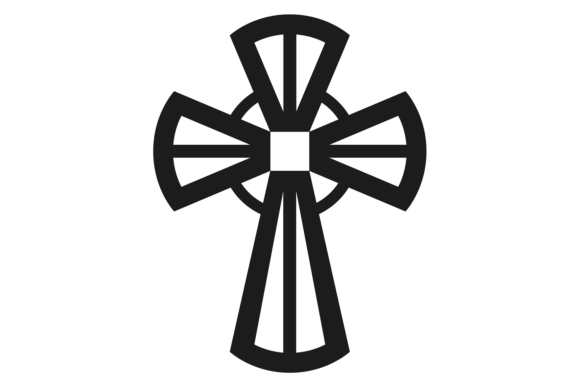
In a world saturated with generic symbols, the Decorative Cross Icon stands apart. This isn't your average, stark religious symbol; it's a meticulously crafted religion symbol that marries profound spiritual significance with sophisticated visual appeal. For designers, marketers, and creators, it represents a unique tool—a way to incorporate deep meaning without sacrificing aesthetic quality. The icon transforms a traditional emblem into a versatile design asset, suitable for a wide array of projects where both beauty and substance are required.
Visual Character and Emotional Resonance
The personality of this decorative cross icon is defined by its intricate linework, balanced proportions, and subtle ornamental details. It often carries a sense of heritage, reverence, and timeless elegance. Unlike a simple line drawing, its complexity suggests craftsmanship and intention. This visual weight makes it a powerful element for brand identity, immediately conveying values of tradition, faith, stability, and artistry. The style can range from gothic-inspired flourishes to more contemporary, minimalist interpretations, allowing it to adapt to different modern typography contexts. Its appeal lies in this duality: it is instantly recognizable as a sacred symbol yet functions beautifully as a standalone piece of graphic art.
Strategic Applications Across Creative Projects
Understanding where to deploy this icon is key to unlocking its potential. Its strength lies in projects that benefit from a touch of solemnity, tradition, or handcrafted quality.
- Brand Identity & Logo Design: For organizations, churches, retreat centers, or artisanal brands with spiritual or heritage themes, the icon serves as a cornerstone of logo design. It builds instant recognition and communicates core values visually.
- Editorial & Publishing: In book covers, chapter headings, or magazine layouts for religious publications, lifestyle journals, or historical features, it acts as a compelling visual anchor. It enhances editorial design by adding a layer of thematic depth.
- Packaging & Product Design: Used on premium packaging for candles, specialty foods, or wellness products, it elevates the perceived value. It signals quality and thoughtfulness, turning a simple product into a premium font experience in visual form.
- Digital & Web Design: As a favicon, a section divider on a website, or a key graphic in social media graphics, it helps create a cohesive and recognizable online presence for faith-based communities, counselors, or creators.
- Print & Stationery: On wedding invitations, memorial programs, or church bulletins, it adds a personalized, elegant touch that generic clipart cannot achieve.
The icon works best when it has room to breathe. Pairing it with clean, complementary typefaces—like a sturdy sans serif font for body text or a gentle script font for accents—creates a balanced font pairing. Avoid placing it in overly cluttered designs where its details would be lost.
Impact on Perception and Engagement
Incorporating a well-designed symbol like the Decorative Cross Icon directly influences how an audience perceives and interacts with a brand or project. It contributes to visual hierarchy, guiding the viewer's eye and establishing importance. A consistent use of this icon across platforms strengthens brand recognition and fosters a sense of professionalism and reliability.
From a psychological perspective, a familiar yet artistically rendered symbol can create an emotional connection, enhancing audience engagement. It tells a story before a single word is read. For a small business owner crafting a brand, this icon can be the difference between appearing generic and communicating a distinct, authentic identity. It’s not just a decorative element; it’s a strategic component of visual communication.
A Practical Guide to Implementation
Choosing and using this icon effectively requires a thoughtful approach. Treat it as you would a creative font selection—it must be fit for purpose.
- Evaluate Project Fit: First, assess the project's tone and audience. Is the context appropriate for a religious symbol? Does the brand's personality align with the icon's inherent qualities of tradition and craftsmanship?
- Test with Your Font Pairing: Don't use it in isolation. Place the icon alongside your chosen headline and body typefaces. Does it harmonize with your serif font or handwritten font? Does it create the intended contrast or cohesion? The goal is a unified visual language.
- Review Technical Specifications: Ensure the asset is provided in the formats you need. For versatility, you'll want EPS for print and vector editing, SVG for scalable web use, transparent PNG for easy layering, and JPG for general use. High-resolution files are non-negotiable for professional results.
- Consider Readability and Scale: Test the icon at various sizes. Will its details remain clear as a small favicon? Does it hold its power as a large header graphic? Readability isn't just for typefaces; it applies to icons as well.
- Verify Commercial Licensing: This is crucial. If the project is for commercial use—whether for a client, a product for sale, or a monetized blog—you must secure the proper license. Using a commercial font or asset without a valid license is a legal and ethical risk.
Ultimately, the Decorative Cross Icon. Religion Symbol. is more than a piece of clipart. It’s a sophisticated design asset