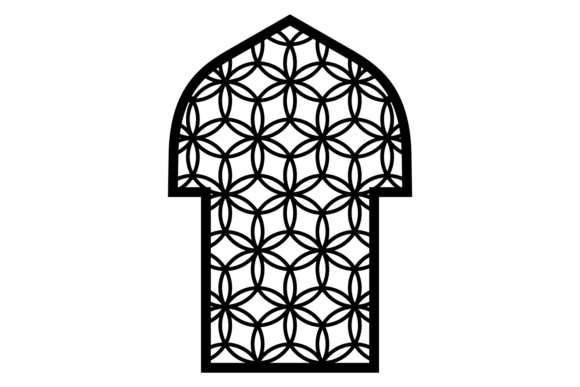
Eastern Ornament in Decorative Islamic W: A Designer's Guide
There are typefaces that simply convey words, and then there are typefaces that tell a story before you even read a single letter. The Eastern Ornament in Decorative Islamic W is firmly in the latter category. It's not just a font; it's a piece of cultural artistry, a design asset that brings a specific and profound visual language to any project it touches. For designers, marketers, and creators looking for more than just legibility, this typeface offers a gateway to a rich aesthetic tradition.
Understanding the Visual Soul of the Typeface
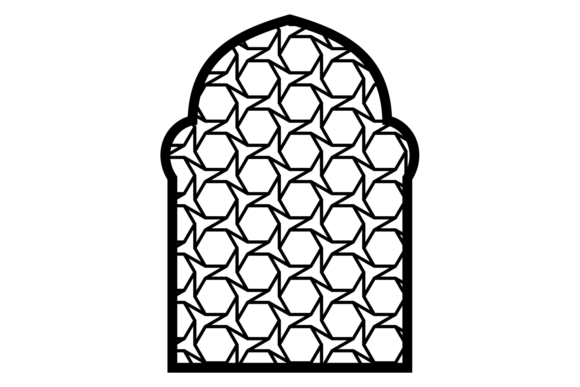
At its core, this is a premium font that draws its inspiration from the intricate geometric patterns and flowing arabesques found in Islamic art and architecture. Think of the stunning tilework in mosques, the delicate carvings on wooden screens, or the illuminated margins of ancient manuscripts. The "Eastern Ornament" aspect refers to the elaborate decorative elements that are woven into the letterforms themselves. The "W" in its name often signifies its Western or Latin script adaptation, making this profound aesthetic accessible for global design projects.
The personality of this font is one of elegance, heritage, and meticulous craftsmanship. It’s a display font through and through, designed to command attention and set a mood. Its style is ornate and detailed, with a rhythm and harmony that feels both mathematical and deeply artistic. The overall appeal lies in its ability to instantly transport a viewer to a world of sophistication, spirituality, and historical depth. It’s a creative font that works best when given space to shine, making it ideal for headlines, logos, and impactful short-form text where its intricate details can be fully appreciated.
Where This Font Truly Excels: Practical Applications
Choosing the right context is everything with a typeface as distinctive as Eastern Ornament in Decorative Islamic W. Its strength is in setting a specific tone, so matching it to the right project is key to its success.
In brand identity, it’s a powerful choice for businesses that want to communicate luxury, authenticity, and a connection to cultural roots. Imagine it for a high-end boutique hotel, a gourmet spice brand, a wellness retreat, or a jewelry designer specializing in artisanal pieces. It immediately builds a brand perception of exclusivity and depth. For logo design, it creates a mark that is unforgettable and steeped in meaning, though it’s wise to pair it with a simpler sans serif font for body text to ensure overall readability.
Within editorial design and publishing, this font can elevate book covers, especially for historical fiction, poetry collections, or travel literature focused on the Middle East and North Africa. It adds a layer of authenticity and intrigue that a standard serif font might not achieve. Similarly, in packaging design, it can make a product stand out on the shelf, suggesting artisanal quality and exotic ingredients. Think of premium tea, coffee, or cosmetic packaging.
Digital applications are equally compelling. For web design, it can serve as a stunning hero font for a landing page, creating an immediate emotional connection. In social media graphics, it’s perfect for creating shareable quotes, announcement headers, or event invitations that need a touch of grandeur. The key is to use it strategically—often just for a headline or a single impactful word—to avoid overwhelming the viewer.
Making It Work: Pairing, Readability, and Licensing
The practical side of using such a specialized typeface involves thoughtful pairing and careful consideration of legibility. Because it is highly decorative, pairing Eastern Ornament with a clean, neutral sans serif font like Helvetica, Open Sans, or Lato is a classic and effective strategy. The contrast allows the ornamented font to be the star while the supporting text remains crystal clear. Avoid pairing it with another ornate script font or a handwritten font, as this will create visual chaos and hinder readability.
Readability is a critical consideration. This font shines in large sizes for headlines and display purposes. However, using it for long paragraphs of body copy would be a mistake, as the intricate details can become visually fatiguing and difficult to read at small sizes. Always test your chosen font pairing at the intended size on both screen and in print to ensure the hierarchy is clear and the message is communicated effectively.
When you decide to invest in this commercial font, pay close attention to the licensing. Most premium fonts come with different license tiers—desktop, web, app, etc. Ensure the license you purchase covers all your intended uses. Review the included styles; some versions might offer alternates, ligatures, or additional ornamental characters that can expand your creative options. Treat it like any other professional design asset: understand its capabilities and its rules.
Ultimately, Eastern Ornament in Decorative Islamic W is more than a typographic tool; it’s a bridge to a visual tradition of breathtaking beauty. Used thoughtfully, it can infuse a project with a sense of history, artistry, and unparalleled elegance that resonates deeply with a sophisticated audience. It’s a testament to how modern typography can still draw from ancient wellsprings of inspiration to create something truly contemporary and compelling.