Elegant Simplicity: Mastering the Calligraphic Decorative Element Thin Li
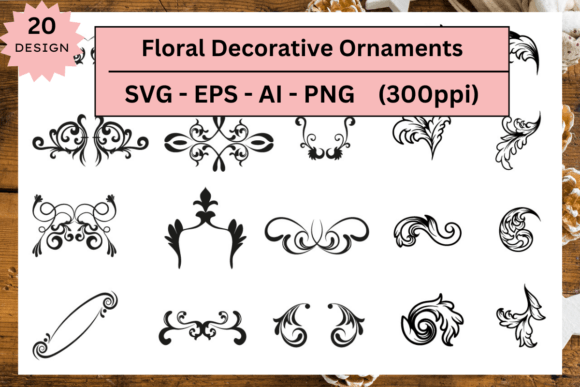
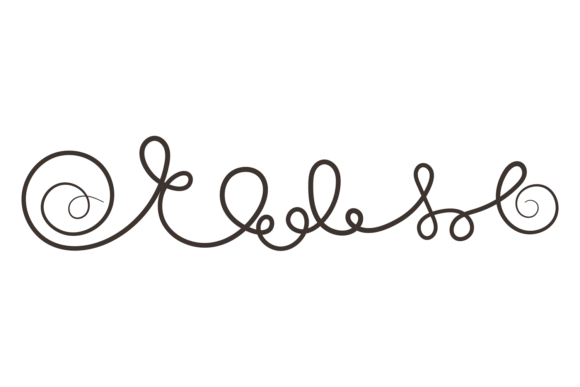
There is a specific challenge in modern design that many of us face: how do you add personality and flair to a layout without overwhelming the message? We often walk a tightrope between boring minimalism and chaotic ornamentation. This is precisely where the Calligraphic Decorative Element Thin Li finds its sweet spot. It is not just another swirl; it is a sophisticated design asset that acts as the connective tissue in visual composition. When you look at this element—available in vector formats like EPS and SVG, as well as high-resolution JPG and transparent PNG—you see a delicate, hand-drawn aesthetic that feels both organic and controlled. It captures the essence of modern typography trends that favor human touch over rigid geometry.
The visual personality of the Calligraphic Decorative Element Thin Li is defined by its weight and flow. Unlike heavy, ornate Victorian borders, this element uses a thin, consistent line weight. This creates a sense of airiness and elegance. It mimics the fluidity of a pointed pen or a fine brush tip, but with the precision required for digital assets. Because it is isolated on a white background in its source files, it offers maximum versatility. You can drop it into a dark mode website or a pastel packaging mockup without worrying about awkward background removal. For the designer or entrepreneur, this translates to less time wrestling with clipping masks and more time focusing on the actual brand story.
The Versatility of the Thin Line Swirl Ornament
One of the most significant advantages of using a calligraphic decorative element like this is its adaptability across different media. In the realm of editorial design, for instance, these thin swirls are invaluable. They work beautifully as drop caps, separating text blocks in a magazine layout or adding a sophisticated touch to a book cover. They guide the reader’s eye without shouting for attention. If you are a publisher or a blogger, using this element can elevate your headers or pull quotes, making the reading experience feel more curated and premium.
For those involved in brand identity and logo design, the Thin Li element serves as a fantastic supporting character. A logo needs to be distinct, but the branding ecosystem surrounding it—business cards, letterheads, thank you notes—needs cohesion. By integrating this thin swirl into your collateral, you create a visual language that feels established and thoughtful. It suggests that the brand cares about the details. It is the kind of subtle touch that distinguishes a premium font usage from a generic template.
Strategic Applications for Branding and Marketing
Let’s talk about practical application. If you are a small business owner or a content creator, your time is your most valuable asset. You need design elements that work hard. The Calligraphic Decorative Element Thin Li shines in social media graphics. Instagram stories, Pinterest pins, and LinkedIn carousels often suffer from visual fatigue. Adding a delicate swirl ornament can break the monotony of a text-heavy post. It adds a layer of professionalism that signals to your audience that you take your presentation seriously.
Furthermore, consider packaging design. In a crowded marketplace, packaging is the silent salesperson. A thin, calligraphic line can soften the look of a rigid box or add femininity to a masculine product line. It works exceptionally well for artisanal goods, cosmetics, or luxury stationery. The transparency of the PNG files means you can overlay these elements on top of textures or images, creating depth and hierarchy in your design. It is a simple trick, but it fundamentally changes how a customer perceives the value of the product inside.
Integrating the Element with Modern Typography
Understanding how to pair this decorative element with typefaces is crucial for maintaining visual hierarchy. The Calligraphic Decorative Element Thin Li acts as a bridge between different font styles. If you are using a bold sans serif font for your headers and a classic serif font for your body copy, the transition can sometimes feel abrupt. Placing a thin swirl between them softens the visual shift. It creates a rhythm that makes the layout easier to digest.
It also pairs beautifully with script fonts and handwritten fonts. However, a word of caution is necessary here. If your primary typography is already very swashy and elaborate, adding this element might create visual noise. The key is contrast. Use the Thin Li element to complement clean, modern typography. It adds just enough "human" touch to a sterile web design layout without sacrificing readability. In modern typography, less is often more, and this element embodies that philosophy perfectly.
Technical Guidance for Designers and Creators
From a technical standpoint, having access to multiple file formats is essential for a smooth workflow. The inclusion of EPS and SVG files is a massive benefit for anyone doing professional work. These vector formats ensure that the calligraphic decorative element remains crisp and sharp, regardless of how much you scale it up. Whether you are printing a massive banner or shrinking it down for a favicon, the line weight stays perfect. This is a non-negotiable feature for high-quality design assets.
When evaluating if this font or element is right for your project, consider the mood you want to evoke. If you are aiming for a futuristic, tech-heavy, or grunge aesthetic, this thin, elegant swirl might feel out of place. It is best suited for themes that value elegance, tradition, creativity, and softness. Think wedding invitations, lifestyle blogs, boutique retail, and wellness brands. Before purchasing or implementing, always test the element against your primary color palette. Ensure that the thin lines don't disappear against a busy background or get lost in a low-contrast print.
Licensing and Commercial Use Considerations
Finally, we must address the business side of creativity. If you are using the Calligraphic Decorative Element Thin Li for a client project or your own commercial venture, checking the licensing is paramount. Most reputable premium font marketplaces offer licenses that cover both personal and commercial use, but the terms can vary. Ensure your license covers the specific medium you are using—whether that is digital web assets or physical printed merchandise.
Using high-quality, licensed design assets protects your business and supports the creators who craft these tools. It ensures that your brand identity is built on solid legal ground. By incorporating the Thin Li element thoughtfully, you are not just decorating a page; you are investing in a visual strategy that communicates quality and attention to detail to your audience. It is a small investment that yields significant returns in perceived professionalism and audience engagement.