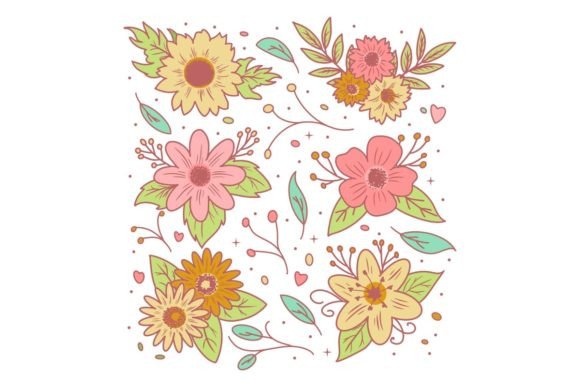
Hand Drawn Botany: Decorative Floral Pri Font Guide
Capturing the delicate beauty of nature in a digital format is a challenge many designers face. Whether you are crafting a logo for a boutique spa, laying out an invitation for a garden wedding, or designing packaging for organic skincare, the typography sets the mood before a single word is read. This is where the Hand Drawn Botany. Decorative Floral Pri typeface steps in. It is more than just a collection of letters; it is a design asset that brings the warmth and irregularity of nature to the screen and page.
Understanding the Visual Personality of Decorative Floral Pri
At its core, Hand Drawn Botany. Decorative Floral Pri is a display font that prioritizes character over uniformity. Unlike rigid sans serif fonts or predictable serif fonts, this typeface mimics the strokes of a pen or brush. It feels organic and slightly imperfect, which is exactly where its charm lies. The visual weight of the letters often varies, creating a rhythm that feels handwritten rather than typeset. This style falls into the category of handwritten fonts, but it distinguishes itself through botanical flourishes and decorative elements that weave through the letterforms.
The personality of this font is soft, artistic, and approachable. It avoids the aggressive geometry of modern typography, opting instead for a softer aesthetic. When you look at the curves of the letters, you see the influence of nature—twisting vines, budding flowers, and flowing water. This makes it an excellent choice for projects that need to convey authenticity and a human touch. It acts as a bridge between the raw energy of a sketch and the polish required for professional design assets.
Where This Creative Font Shines: Applications and Use Cases
Finding the right context for a decorative typeface is crucial. While a font like Hand Drawn Botany. Decorative Floral Pri is visually striking, it requires the right environment to perform well. Its primary strength lies in display settings where the text does not need to be read in long paragraphs. Think of headlines, logos, and callouts.
For brand identity, this font is a powerful tool for businesses in the wellness, lifestyle, and artisanal sectors. Imagine a logo for a local florist or a high-end tea brand. The decorative elements of the font can instantly communicate the brand's values without needing a lengthy explanation. It suggests that the product is handcrafted or natural. Similarly, in packaging design, using this font on a label can make a product pop off the shelf. It adds a layer of texture that flat, digital fonts often lack.
In the realm of publishing, such as editorial design, this typeface works beautifully for pull quotes or chapter titles in lifestyle magazines. It breaks the monotony of body text, usually set in a legible serif or sans serif font, and draws the reader's eye to specific points. For web design, it can be used sparingly for hero section headings or specific landing page elements to create a mood. However, because of its intricate details, it must be tested for legibility on various screen resolutions.
Practical Guidance for Designers and Creators
Integrating a new premium font into your workflow requires a strategic approach. You cannot simply swap it in for your current body text. Here is how to get the most out of Hand Drawn Botany. Decorative Floral Pri:
- Font Pairing is Essential: Because this is a decorative and stylistic font, it pairs best with something simple and neutral. A clean sans serif font or a sturdy serif font makes an excellent partner. If you pair it with another script font, the result will likely be chaotic and difficult to read. Let the botanical font be the star, and use the secondary font for the supporting information.
- Evaluate the Context: Ask yourself if the project requires a serious, corporate tone. If you are designing a legal document or a financial report, this font is not the right fit. However, if you are working on social media graphics for a lifestyle brand, a wedding invitation, or a menu for a cafe, it is likely an ideal choice.
- Check the File Formats: Ensure the font package includes the formats you need. A robust package usually offers EPS, JPG, SVG, transparent PNG, and vector files. This versatility is key. You might use the SVG version for web animation or the transparent PNG for quick mockups in social media posts without needing to install the font files immediately.
- Readability Checks: Always test the font at the size it will be viewed. A decorative font might look beautiful on a 27-inch monitor but become a muddy blob on a mobile screen. Zoom in and out to ensure the "hand drawn" details remain clear and do not bleed together.
Impact on Brand Perception and Audience Engagement
Typography is a silent ambassador for your brand. When you choose Hand Drawn Botany. Decorative Floral Pri, you are making a specific statement to your audience. You are telling them that your brand values creativity, nature, and individuality. This can significantly influence how potential customers perceive your professionalism. While "professional" often implies "corporate," in creative industries, professionalism is defined by attention to detail and stylistic cohesion.
Using this creative font can increase audience engagement because it feels personal. In a digital world dominated by geometric sans serifs, a handwritten style stands out. It feels less like a machine talking to you and more like a person. For small business owners and entrepreneurs, this is a distinct advantage. It helps level the playing field against larger corporations by emphasizing the unique, human element of your service or product.
Licensing and Commercial Use
Before you finalize your design, you must consider the licensing. Most commercial fonts require a license for business use. This ensures that the designer who created the typeface is compensated for their work. Check the specific terms of the license for Hand Drawn Botany. Decorative Floral Pri. Usually, a standard license covers usage on websites, social media, and printed materials like business cards or flyers. However, if you plan to use it in a product for resale—such as a t-shirt or a mug—you may need an extended license. Always review the EULA (End User License Agreement) to avoid legal issues later.
Conclusion
In summary, Hand Drawn Botany. Decorative Floral Pri is a versatile and visually appealing asset for the modern designer. It excels in projects that require a touch of nature, warmth, and artistic flair. By pairing it wisely with simpler typefaces and using it in appropriate contexts like logo design, packaging, and social media graphics, you can elevate your visual storytelling. It is a tool that helps bridge the gap between digital precision and the organic beauty of the hand-drawn world.