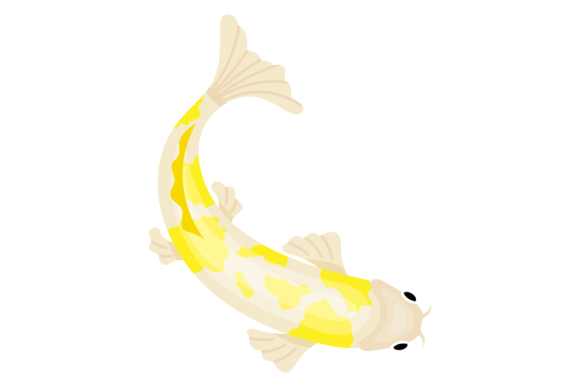
Japanese Garden Fish: Decorative Koi Pond Design
There's a certain tranquility that settles in when you watch koi fish glide through clear water. This feeling, a blend of movement, color, and calm, is exactly what the Japanese Garden Fish collection captures. It’s more than just a set of decorative assets; it’s a visual language drawn from centuries of cultural appreciation for nature, patience, and beauty. For designers and creators, this collection offers a powerful way to infuse projects with that same serene, organic energy.
The Visual Language of the Koi Pond
At its core, this design style is defined by graceful curves and fluid forms. The koi fish themselves are often depicted with elegant, elongated bodies and flowing fins that suggest gentle motion. Their patterns—vibrant oranges, crisp whites, deep blacks, and sometimes metallic golds—are not random. They follow traditional motifs that have been celebrated in Japanese art for generations. The composition often places these fish within a suggested environment: subtle ripples indicating water, a hint of a lily pad, or the shadow of a bridge. This creates a complete scene rather than an isolated element.
The overall appeal is one of refined simplicity. It avoids clutter. Every line and color choice feels intentional, contributing to a sense of balance and harmony. This isn't a loud, attention-grabbing style. Instead, it draws viewers in with its subtlety and detail, rewarding a closer look. It communicates qualities like tradition, quality, mindfulness, and a connection to the natural world—powerful concepts for any brand or creative project.
Where This Style Finds Its Home
The versatility of this aesthetic is one of its greatest strengths. It’s not confined to a single medium or industry. Consider its application across different fields:
- Branding and Logo Design: A business centered on wellness, spa services, artisanal crafts, or premium tea could use a stylized koi motif in its logo. It instantly conveys a sense of calm expertise and cultural depth.
- Editorial and Publishing: In magazines, book covers, or blog graphics focused on gardening, mindfulness, or cultural topics, these visuals add a layer of sophistication and thematic cohesion. They work beautifully as chapter headings or section dividers.
- Packaging Design: For products like specialty foods, cosmetics, or stationery, this style can elevate the unboxing experience. It suggests the product inside is crafted with care and attention to detail.
- Digital Presence: On websites, especially for service-based businesses or portfolios, these elements can create a memorable user experience. They can serve as subtle background patterns, interactive animations, or hero images that set a specific tone.
- Social Media and Marketing: Consistent use of this visual language in social media graphics helps build a recognizable brand identity. It can make posts about mindfulness, beauty, or craftsmanship stand out in a crowded feed.
- Personal Projects and Crafting: For hobbyists, this style is perfect for creating custom stationery, embroidery patterns, or art prints. The available file formats—EPS, JPG, SVG, and transparent PNG—make it easy to adapt for both digital and physical projects.
Making It Work: Practical Guidance for Creators
Integrating a strong visual style like this requires more than just placing an image. Here’s how to approach it thoughtfully.
Evaluating the Fit
Before you commit, ask: Does the core message of my project align with the values this style communicates? If your project is about speed, disruption, or high-energy fun, this serene aesthetic might create a disconnect. But if it’s about quality, tradition, wellness, or artistry, it’s a natural match. Look at the personality of the assets. Are they more illustrative and playful, or are they more abstract and sophisticated? Choose the variant that best mirrors your project’s voice.
Pairing and Hierarchy
This decorative style works best when balanced with simpler elements. Think of it as the star of the show, supported by a clean cast.
- For text, pair it with a highly legible sans serif font for body copy. A clean, modern typeface won’t compete for attention.
- If you need a secondary display element, a subtle script font could complement it for short phrases, but use it sparingly.
- Use the koi elements to create visual hierarchy. A large, central koi illustration can anchor a design, while smaller, repeating patterns can guide the eye through a layout.
Testing and Refinement
Always test your designs in context. How does the koi pattern look on a mobile screen versus a printed brochure? Does the color palette of the fish clash with your brand’s primary colors? Check readability—ensure text placed over or near the decorative elements remains easy to read. The transparent PNG files are invaluable here, allowing you to layer the fish over different backgrounds seamlessly.
Understanding Licensing
Since this is a premium design asset, understanding the license is crucial. Most licenses for such collections allow for broad commercial use, but it’s your responsibility to read the terms. Know if the license covers your intended use—whether it’s for a client project, merchandise for sale, or a digital product. Respecting the license protects you and supports the artists who create these valuable resources.
In the end, incorporating the Japanese Garden Fish aesthetic is about more than decoration. It’s a strategic choice to communicate a specific set of values. It’s about using visual storytelling to create a feeling of calm, quality, and enduring beauty. When used with intention, it doesn’t just make a project look good—it makes it resonate.