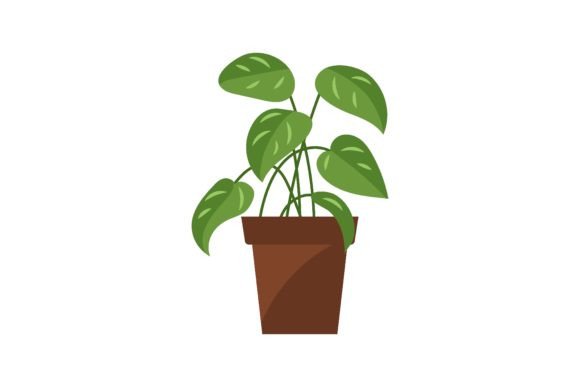
Potted Houseplants: Your Interior Design Secret Weapon
There's a quiet revolution happening in living rooms, studios, and offices everywhere. It's not a new paint color or a minimalist furniture trend—it's the deliberate, thoughtful use of potted decorative houseplants for interior design. These aren't just passive green objects sitting in corners. They are active, dynamic design elements that can transform a sterile space into a sanctuary, a bland brand into a living one, and a forgettable layout into an engaging experience.
Beyond the Pot: Understanding the Visual Language
When we talk about a "potted decorative houseplant," we're referring to a specific visual archetype. Think of the iconic green plant in pot cartoon vector—it's clean, isolated on a white background, and instantly recognizable. This style is a cornerstone of modern illustration, often found in floral vector collections and gardening-themed assets. Its personality is approachable, friendly, and universally understood. It communicates growth, care, and a touch of organic warmth without overwhelming a composition. This visual shorthand is powerful because it bypasses complex interpretation; a simple succulent illustration says "life" and "attention" in a single glance.
This aesthetic isn't limited to cartoons. In real-world design, the principle remains. The shape of the leaf, the texture of the pot, the way light interacts with the foliage—these are all part of the plant's visual vocabulary. A tall, architectural fiddle leaf fig conveys modern sophistication. A trailing pothos suggests casual abundance. Choosing a plant is like choosing a typeface; you're selecting a character that will speak for your space or brand.
Where Greenery Thrives: Applications Across Projects
The versatility of this design element is staggering. For graphic designers and marketers, these visuals are essential design assets. In packaging design, a subtle leaf motif can elevate a product, suggesting natural ingredients or artisanal care. For bloggers and content creators, a well-placed plant in a photo or a social media graphics template adds depth and relatability. It's a visual cue that says, "This content is thoughtful and curated."
Consider the brand identity for a wellness studio or a boutique coffee shop. The right plant imagery, integrated into the logo, website, and interior, creates a cohesive narrative. It's not just decoration; it's a premium font for your physical and digital space, setting a consistent mood. In editorial design, plants can break up text-heavy layouts, guide the reader's eye, and make dense information feel more breathable. They are the punctuation marks of interior design, adding pauses and emphasis where needed.
The Practical Guide to Green Design Integration
So, how do you wield this tool effectively? It starts with intentionality, much like selecting a creative font for a project.
- Evaluate Your Project's "Personality." Is it bold and modern? Delicate and vintage? Commercial and clean? Match the plant to the vibe. A spiky cactus suits a different brand voice than a soft, leafy fern.
- Master the Font Pairing. In design terms, this means balancing your greenery with other elements. A large, dramatic plant in a minimalist room needs ample negative space. In a graphic, pair a detailed botanical illustration with a clean sans serif font to maintain readability. Avoid visual clutter.
- Consider the Full "Family." Just as a serif font has different weights and styles, think about your plant's context. What does the pot look like? Is it matte ceramic, rustic terracotta, or sleek metal? These details are part of the overall typeface of the space.
- Test for Readability and Flow. In a physical room, does the plant obstruct a walkway or a sightline? In a digital layout, does the illustration compete with the headline? The goal is enhancement, not obstruction. This is crucial for web design where user experience is paramount.
Remember, the goal is cohesion. A single, stunning monstera can be the focal point of a room, just as a beautifully crafted display font can anchor a poster. But if everything is shouting for attention, the message is lost. Start small. A cluster of small succulents on a shelf creates a rhythm. A single, statement tree in a corner provides a visual anchor.
Ultimately, integrating potted decorative houseplants for interior design is an exercise in empathy and observation. It's about understanding how living elements affect human psychology—how they reduce stress, boost creativity, and make spaces feel cared for. Whether you're a small business owner designing your shop's interior, a crafter styling product photos, or a publisher laying out a magazine, this tool is in your arsenal. Use it with the same discernment you'd apply to choosing a color palette or a commercial font. The result will be a space, a brand, or a design that doesn't just look good, but feels genuinely alive.