Red Flag Ribbon: Bold Banners for Impactful Design
There is a specific moment in design where you need to shout without making a sound. You have a sale, a warning, a crucial headline, or a brand statement that simply cannot blend into the background. This is where the Decorative Caption Banner with its distinct Red Flag Ribbon element takes center stage. It is not just a typeface; it is a visual declaration. For designers, entrepreneurs, and content creators, finding a premium font that carries this level of inherent authority is a game-changer for brand identity.
The Psychology of the Red Flag Ribbon
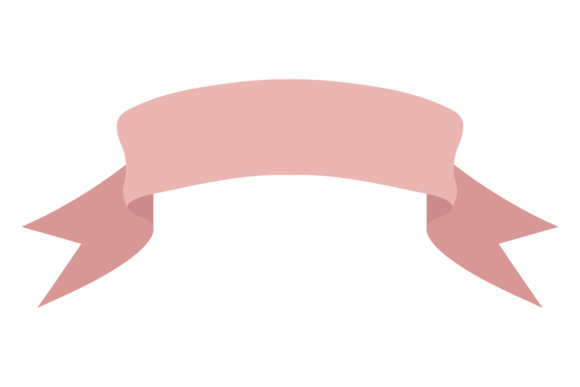
When you look at the Red Flag Ribbon style, your brain immediately processes two things: importance and urgency. Ribbons have historically been used in design to signify awards, seals of approval, and critical notices. By integrating this shape into a caption banner style, the font bypasses the need for complex illustrations. The visual characteristic is one of motion and solidity. It feels like a physical stamp or a waving banner you might see at a grand opening.
This style of display font possesses a personality that is assertive and nostalgic yet capable of feeling incredibly modern depending on the color palette. It bridges the gap between vintage packaging design and contemporary web design. The "flag" aspect implies movement, while the structured lettering inside the banner provides the stability needed for legibility. It is a typeface that demands attention, making it an invaluable asset for logo design where standing out is the primary objective.
Visual Characteristics and Appeal
The appeal of the Decorative Caption Banner lies in its versatility as a creative font. It often functions as a serif font or a heavy sans serif font housed within a graphical container. This container—the ribbon—adds a layer of depth that flat text cannot achieve. It creates an instant focal point. For marketers and bloggers, this means you can highlight a "New Post" or "Limited Offer" without needing a graphic designer to create a custom asset every time. It turns typography into a design element.
Strategic Applications for Modern Creators
Understanding where to deploy the Red Flag Ribbon is just as important as the font itself. Because it is a premium font with high visual weight, it is rarely suited for long-form body copy. Instead, it excels in environments where short, punchy communication is required.
For small business owners, this font is a secret weapon for packaging design. Imagine a coffee bag or a candle label where the roast type or scent is displayed on a ribbon banner. It instantly elevates the product's perceived value, suggesting a craft or artisanal quality. In editorial design, such as magazines or lookbooks, the Red Flag Ribbon works beautifully for pull quotes or section headers, breaking up the monotony of standard modern typography.
Digital and Social Media Integration
In the realm of social media graphics, attention spans are short. A Decorative Caption Banner cuts through the noise. Content creators can use this design asset to create consistent thumbnail headers for YouTube videos or sale tags for Instagram stories. The ribbon element provides a background for the text, ensuring that the words are readable regardless of the image behind them. This solves a common problem in web design and digital marketing: maintaining contrast and readability over busy backgrounds.
Mastering Font Pairings and Hierarchy
One of the most common mistakes with high-impact fonts is poor pairing. The Red Flag Ribbon is a dominant visual. If you pair it with another ornate script font or a heavy handwritten font, the result will be visual chaos. To maintain professionalism and readability, you must balance the scale.
The best approach is to pair this display font with something neutral and clean. A geometric sans serif font is often the perfect companion. For example, using a clean font like Helvetica, Roboto, or Open Sans for your body text allows the Red Flag Ribbon to shine as the headline without competition. This contrast creates a clear visual hierarchy, guiding the viewer's eye from the bold banner to the supporting details.
Evaluating Project Fit and Licensing
Before purchasing this commercial font, practical evaluation is necessary. First, consider your brand identity. Does your brand voice speak with authority and tradition, or is it playful and whimsical? The ribbon banner style leans towards authority and classic promotion. If your brand is minimalist to the extreme, this font might feel too loud.
When you acquire design assets like the Red Flag Ribbon, always review the file formats. A high-quality asset should come in multiple formats—EPS, JPG, SVG, transparent PNG—to ensure you can use it in Adobe Illustrator, Canva, or Procreate without losing quality. A transparent PNG is particularly crucial for layering the ribbon over photos.
Furthermore, scrutinize the commercial licensing. If you are a publisher or a marketer creating merchandise, you need to ensure the license covers physical products (print-on-demand). Some licenses restrict usage to digital only. Checking these details ensures your brand identity remains legally protected and consistent across all mediums.
Practical Design Observations
When working with the Decorative Caption Banner, kerning and tracking are your best friends. Because the text sits inside a ribbon, tight letter spacing can make the text feel cramped and difficult to read, especially at smaller sizes. Open up the tracking slightly to let the letters breathe within the banner shape. Additionally, consider the color relationship. While "Red Flag" implies red, the ribbon element works in any color. However, high-contrast combinations (like a black ribbon with white text) often yield the strongest results for readability.
Ultimately, the Red Flag Ribbon is more than just a font; it is a marketing tool. It provides a structured way to highlight the most important information on your canvas. Whether you are designing a wedding invitation, a website hero section, or a product label, this creative font offers a blend of nostalgia and impact that few other typefaces can match. By treating it as a strategic element rather than just decoration, you can significantly enhance your project's engagement and professional polish.