The Allure of the Ornate Mandala: A Decorative Radial Pattern
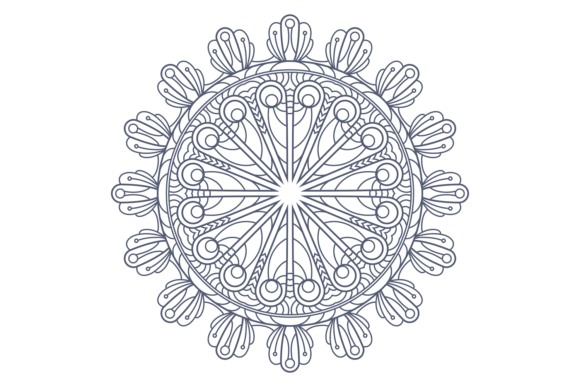
There’s an immediate, almost magnetic pull when you encounter a truly well-crafted decorative radial pattern. It’s more than just a collection of shapes; it’s a visual system, a contained universe of symmetry and complexity. The ornate mandala is the pinnacle of this form. You know the one—it’s that intricate, often symmetrical design that radiates from a central point, weaving together geometric precision with organic, flowing details. On a clean white background, whether delivered as an EPS for scaling, a JPG for quick use, a versatile SVG, or a transparent PNG for layering, its impact is undeniable. This isn't just a random flourish. It’s a design asset with a distinct personality: meditative, sophisticated, and rich with symbolic weight. It speaks of balance, unity, and intricate beauty, making it a powerful tool for creators who want to communicate depth and intention.
Visual Character and Project Personality
Understanding the visual language of the ornate mandala is key to using it effectively. Its core traits are radial symmetry, which creates a natural focal point and a sense of order, and layered complexity, where multiple tiers of pattern draw the viewer’s eye inward. The style can range from highly geometric, suggesting precision and modernity, to more floral and organic, evoking nature and handcrafted artistry. This duality is its strength. A geometric, clean-line mandala can feel contemporary and tech-forward, perfect for a fintech app's loading animation. A more ornate, floral version, however, feels timeless and artisanal, ideal for a wellness brand’s packaging or a boutique hotel's stationery.
The overall appeal lies in its versatility as a creative font for the visual realm. It doesn’t carry letters, but it absolutely carries tone. It can be the central hero of a logo design, instantly conveying a brand’s commitment to detail and holistic values. In editorial design, a mandala can serve as a stunning chapter opener or a recurring motif that ties a publication together. For packaging design, it transforms a simple box into a gift, suggesting the product inside is crafted with care. Its isolated nature on a white background makes it particularly adaptable, allowing designers to place it over photography, color fields, or complex textures without fighting for visual dominance—unless that’s the goal.
Strategic Applications for Maximum Impact
So, where does this premium font of the design world truly shine? The applications are broad, but the strategy lies in matching the mandala’s inherent personality with the project’s goals.
For brand identity, an ornate mandala can become the cornerstone. Imagine a skincare company using a subtle, watermarked mandala on all its materials—from the website header to the tissue paper inside the box. This creates an immediate sense of consistency and professionalism. The pattern doesn’t need to be loud; its presence is felt, building recognition through a cohesive visual language. It tells customers, “We care about every detail.” In social media graphics, a mandala can be used as a background element behind a quote, a frame for a product shot, or an animated reveal to increase audience engagement. Its inherent beauty stops the scroll.
In web design, it can function as a compelling hero image, a section divider, or an icon set inspiration. For a meditation or yoga studio website, a mandala isn’t just decoration; it’s a functional part of the user experience, reinforcing the site’s purpose. In print, think of wedding invitations, business cards for architects or therapists, or the cover of a mindfulness journal. The mandala elevates the tactile experience, making the piece feel intentional and valuable. It’s a design asset that works across digital and print with equal grace, provided the file formats are used correctly—SVG for crisp web scaling, high-resolution EPS or PNG for print.
Practical Guidance for Implementation
Choosing and using an ornate mandala requires a bit more finesse than selecting a standard display font. Here’s a practical checklist to guide you.
First, evaluate the project fit. Does your brand or project have themes of balance, spirituality, complexity, or artistry? If you’re designing for a minimalist tech startup focused on efficiency, a highly ornate mandala might create a visual disconnect. For a craft brewery or a handmade jewelry line, it could be a perfect match. Always ask: does this pattern support the story I’m trying to tell?
Next, test the visual pairing. A mandala is a strong visual element, so it needs companions that complement, not compete. Pair it with clean, simple sans serif fonts for body text to ensure readability. If using it as a logo mark, consider how it interacts with a serif font for a classic feel or a script font for a more personal touch. The key is contrast in complexity. Let the mandala be the detailed star, and support it with simpler typography and ample white space.
Always review the included styles. Is the mandala a single solid shape, or does the asset include variations? Look for options with different levels of detail, line weights, or even reversed-out versions (white pattern on dark). A good set will offer flexibility. Check the file formats: EPS for editable vectors, SVG for web, transparent PNG for easy layering, and JPG for quick mockups.
Finally, consider commercial licensing. This is non-negotiable for professional work. Ensure the license covers your intended use—whether it’s for a single client project, unlimited print runs, or merchandise for sale. A truly premium font or asset will have clear, straightforward licensing that protects both you and your client.
The ornate mandala is more than a decorative element; it’s a strategic piece of modern typography in visual form. When used with intention, it can profoundly influence the visual hierarchy, shape brand perception, and create a lasting impression of quality and thoughtfulness. It’s a testament to the power of pattern to communicate meaning without a single word.