The Clean Power of Minimalistic Line Decorative Elements
There’s a certain confidence in simplicity. In a world saturated with noise—both visual and digital—minimalistic line decorative elements have carved out a significant niche. These aren’t just random squiggles or abstract shapes; they’re intentional, clean, and purposeful design assets. Whether you encounter them as a modern style isolated on a white background or integrated into a complex layout, their appeal is undeniable. They offer structure without clutter, sophistication without pretension, and versatility without compromise. For designers, marketers, and creators, understanding how to leverage these elements can elevate a project from good to genuinely polished.
Understanding the Visual Language of Minimalist Lines
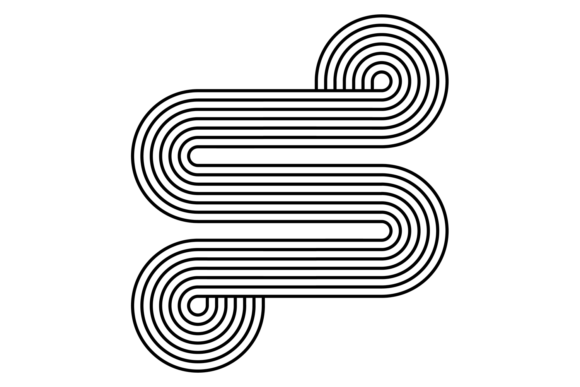
At its core, a minimalistic line decorative element is defined by restraint. Think of thin, deliberate strokes—sometimes geometric, often linear, occasionally incorporating subtle curves or angles. The personality is clean, contemporary, and highly adaptable. These elements don’t shout for attention; they guide the eye, create rhythm, and establish visual breathing room. Their overall appeal lies in their neutrality and elegance. They act as the typographic equivalent of a well-tailored suit: classic, refined, and appropriate for countless contexts. This style aligns perfectly with modern typography trends that favor clarity and intentional space over ornamentation for its own sake.
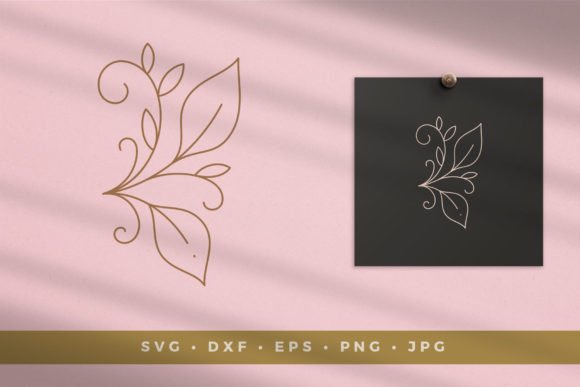
Visually, you’ll often find these elements in formats like EPS, JPG, SVG, or transparent PNG. The transparent PNG format is particularly valuable for layering over photographs, textured backgrounds, or colored sections without any awkward white boxes interrupting the flow. An SVG version offers infinite scalability, making it ideal for responsive web design where elements must look crisp on any screen size. This technical flexibility is a huge part of their practical value in today’s multi-platform design landscape.
Where These Elements Truly Shine: Applications and Use Cases
The strength of a minimalistic line decorative element is its chameleon-like ability to adapt. It’s not a standalone hero font like a bold display font or an expressive script font. Instead, it’s a supporting player that elevates the entire composition. Here’s where it works best:
- Branding and Logo Design: Used as a separator in a logo lockup, a border around a monogram, or a subtle accent in brand stationery, these lines add a layer of professionalism and cohesion. They help define a brand identity that feels thoughtful and detail-oriented.
- Editorial and Publishing Design: In magazine layouts, book covers, or annual reports, they create elegant section dividers, frame pull quotes, or add structure to chapter headings. They contribute to strong visual hierarchy without competing with body text set in a serif font or sans serif font.
- Packaging Design: On product labels, boxes, or cosmetic tubes, minimal lines communicate premium quality. They can outline key information, create patterns, or simply add a touch of modern sophistication that appeals to a discerning consumer.
- Digital and Web Design: These elements are perfect for web design—think hero section accents, subtle background patterns, or elegant dividers between content blocks. They enhance readability by providing visual pauses and improving the overall user experience.
- Social Media and Marketing Graphics: A quick way to make Instagram posts, Pinterest pins, or Facebook ads look more polished. They can frame text, create borders for quotes, or add a consistent design motif across a campaign, boosting audience engagement through cleaner, more professional visuals.
- Personal and Craft Projects: For hobbyists and crafters, these elements are a dream. They can be used in wedding invitations, scrapbooking, DIY prints, or custom stationery, offering a designer-quality touch without requiring advanced skills.
Making It Work: Practical Guidance for Your Projects
Knowing where to use these elements is one thing; using them effectively is another. Here’s some actionable advice from a design perspective.
Evaluate Fit, Not Just Fashion. Just because a minimalistic line is trendy doesn’t mean it’s right for every project. Ask: Does this element add clarity or just visual noise? For a rustic, handcrafted brand, a super-clean geometric line might feel out of place. For a tech startup or a luxury skincare line, it’s likely a perfect match. The goal is alignment, not imitation.
Master Font Pairing. This is crucial. These decorative lines are most powerful when paired with the right typeface. They often complement sans serif fonts for a truly modern look, creating a harmonious system. They can also add a contemporary edge to a classic serif font. The key is to ensure the line weight and style don’t clash with the font’s personality. A very thin, delicate line might get lost next to a very heavy, bold font.
Consider the Commercial License. If you’re using these elements for client work, products for sale, or any commercial endeavor, you must verify the licensing. Many premium font and design asset marketplaces offer these elements under different licenses. Using a “personal use only” asset in a logo for a paying client can lead to legal headaches. Always read the fine print—it’s a non-negotiable part of professional practice.
Test Across Contexts. How does the element look at a small size on a mobile screen versus a large print poster? Does it maintain its integrity in black and white? Does it work on a dark background? Always test your chosen minimalistic line decorative element in realistic scenarios. Use the provided file formats—SVG for web, transparent PNG for layering, EPS for high-resolution print—to ensure optimal quality.
Ultimately, the value of these design assets lies in their ability to communicate sophistication and intentionality with minimal visual weight. They are the subtle framework that can make your typography sing, your layouts breathe, and your brand feel more cohesive. By selecting them thoughtfully and applying them with purpose, you harness a powerful tool for creating clean, modern, and effective visual communication. In the end, great design is often about knowing what to leave out, and minimalistic line elements are a masterclass in that very principle.