The Timeless Appeal of Islamic Window Shape with Decorative Ara
More Than a Font: A Design Element with Heritage
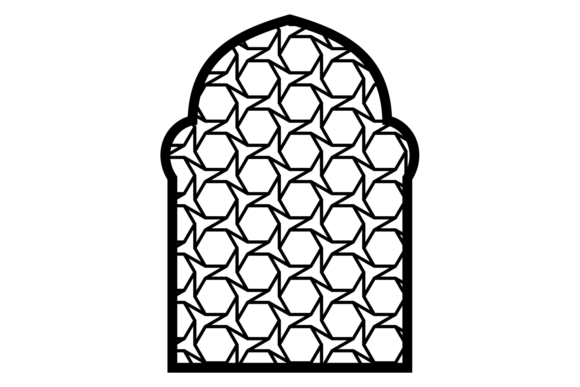
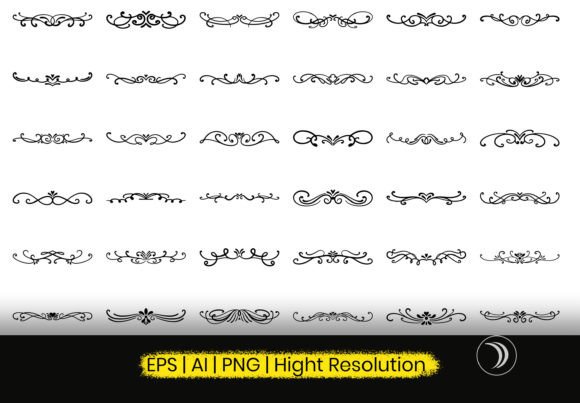
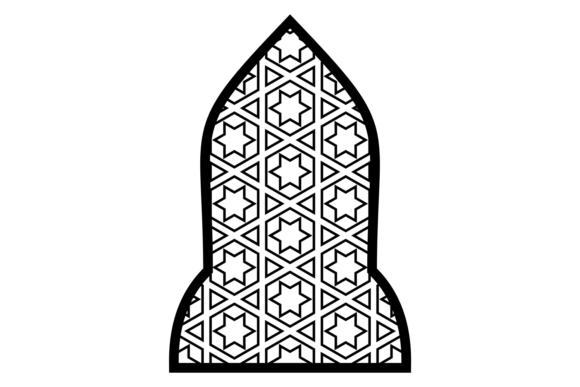
When you first encounter the Islamic Window Shape with Decorative Ara typeface, you're not just looking at a set of letters. You're seeing a design philosophy. This isn't your typical sans serif font for body text or a casual script font for friendly notes. It's a premium font that functions as a piece of art, rooted in the intricate geometric and arabesque patterns of Islamic architecture. The visual personality is one of sophistication, cultural depth, and meticulous detail. The letterforms are often constructed within or inspired by the graceful arches and latticed windows—known as mashrabiya—found in historical mosques and palaces. The "Decorative Ara" element refers to the ornamental lines and flourishes that weave through the characters, adding a layer of complexity and visual rhythm.
The overall appeal is undeniably display-oriented. It commands attention in headlines, logos, and titling. Its style bridges the gap between traditional craftsmanship and modern typography, making it versatile for projects that need to convey elegance, heritage, or a unique artistic flair. It’s a creative font that tells a story before a single word is read.
Strategic Applications: Where This Typeface Shines
Understanding where to deploy the Islamic Window Shape with Decorative Ara is key to leveraging its strengths. This is not a workhorse font for lengthy paragraphs; its intricate details would hinder readability at small sizes. Instead, think of it as a strategic design asset for specific, high-impact moments.
- Logo Design & Brand Identity: For businesses in luxury goods, cultural institutions, boutique hotels, artisanal crafts, or high-end restaurants with Middle Eastern or Mediterranean influences, this font can form the cornerstone of a brand identity. It instantly communicates authenticity and a premium, curated experience. Paired with a clean sans serif font for body copy, it creates a powerful and balanced font pairing.
- Editorial & Packaging Design: In editorial design, it’s perfect for chapter titles in books about art, history, or architecture, or for magazine covers targeting a sophisticated audience. For packaging design, especially for gourmet foods, perfumes, or luxury textiles, it adds an air of exclusivity and craftsmanship.
- Digital & Social Media: While not for body text on websites, it can elevate a web design as a hero header or a standout quote. Its true digital strength lies in social media graphics. A single word or short phrase set in this font can stop the scroll, making it ideal for Instagram posts, Pinterest pins, or YouTube thumbnails that need to convey elegance and depth quickly.
- Personal & Commercial Projects: For crafters and hobbyists, it’s a fantastic tool for creating stunning wedding invitations, event programs, or personalized art prints. Small business owners can use it to design distinctive business cards, signage, or promotional materials that set them apart from competitors using overused fonts.
The Mechanics of Influence: How It Shapes Perception
Choosing a typeface like Islamic Window Shape with Decorative Ara is a deliberate decision that influences multiple facets of a project's success. Its impact goes far beyond mere aesthetics.
First, it directly affects visual hierarchy. Its ornate nature naturally draws the eye, making it perfect for primary headings or logos. This ensures the most important information gets noticed first. However, this same quality means it must be used judiciously to avoid overwhelming a design. Readability is paramount; always test it at the intended size and in the intended context. What looks breathtaking on a poster might become an illegible blur on a mobile screen.
Second, it powerfully shapes brand perception and recognition. Using this font signals a brand that values artistry, history, and detail. It moves a brand away from the generic and toward the distinctive. Consistency in its application—using it for all major headlines across a website, social media, and print materials—builds a strong, recognizable brand identity. This consistency fosters professionalism and trust, showing that every touchpoint has been carefully considered.
Finally, it drives audience engagement. A design that uses such a unique and culturally rich font can resonate deeply with audiences who appreciate that heritage or simply value beautiful craftsmanship. It can spark curiosity and create an emotional connection, transforming a simple message into an experience.
A Practical Guide for Designers and Creators
If you're considering integrating this typeface into your toolkit, a methodical approach will yield the best results.
- Evaluate Project Fit: Does the project's core message align with the font's personality? Is it about luxury, tradition, artistry, or cultural richness? If the answer is yes, it’s a strong candidate. For a tech startup or a children’s brand, it’s likely not the right fit.
- Test Font Pairings Rigorously: The rule of thumb is contrast. Pair this display font with a simple, highly legible serif font or sans serif font. The goal is to let the decorative font command the headlines while the companion font handles the readable body text. Never pair two highly decorative or complex fonts together.
- Review All Included Styles and Formats: A quality premium font family often includes multiple weights, alternates, or ornaments. Explore the full character set. Does it include ligatures or stylistic alternates that can add even more customization? Ensure the commercial font license covers all your intended uses, whether for print, digital, or merchandise.
- Conduct Thorough Readability Tests: Mock up your design. View it on different devices and in print proofs. Ask someone unfamiliar with the project to read the headline from a typical viewing distance. If they struggle, scale back or simplify.
In the vast landscape of design assets, the Islamic Window Shape with Decorative Ara typeface stands out as a specialized tool. It’s not for every project, but when used with intention and skill, it can elevate a design from ordinary to extraordinary, embedding it with a sense of history, beauty, and undeniable presence. It’s a testament to how typography, at its best, is a bridge between visual communication and cultural expression.