Timeless Elegance for Modern Design Projects
There’s a certain kind of visual language that speaks of heritage, craftsmanship, and intricate detail. It’s the language of hand-engraved jewelry, vintage book covers, and the delicate ironwork of a bygone era. This is the world the Filigree Element font family inhabits. More than just a typeface, it’s a design asset that carries a distinct personality—a blend of decorative vintage ornament charm and refined sophistication. At its core, it’s a premium font that functions as a display font, built to make a statement in headlines, logos, and standalone text where every letterform is meant to be admired.
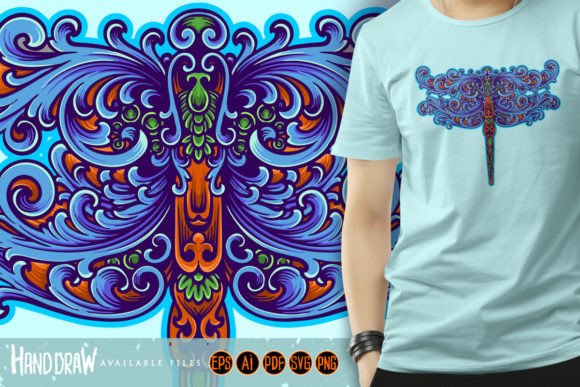
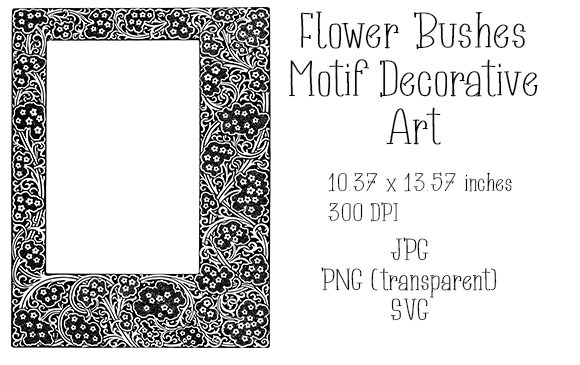
Visually, a font like Filigree Element is characterized by its serif font roots, but with a flourish. You’ll notice the high contrast between thick and thin strokes, the elegant bracketed serifs, and often, the inclusion of swashes, ligatures, and alternate characters. These are the decorative vintage ornament details—the subtle curls on a capital ‘Q,’ the sweeping tail of a lowercase ‘y,’ the floral-inspired terminals on certain letters. This gives it a vintage ornament floral motif quality, feeling both organic and meticulously crafted. Its personality is one of classic authority, artistic flair, and a touch of romanticism, making it ideal for projects that need to evoke a sense of tradition, luxury, or artisanal quality.
Where This Vintage Font Truly Shines
Understanding where to deploy a creative font like Filigree Element is key to leveraging its strengths. It’s not your go-to for body text in a long report, but it excels as a strategic design element. In logo design, it can instantly establish a brand’s identity as high-end, bespoke, or rooted in history. Think of a boutique jewelry brand, a historic inn, a specialty tea house, or a premium craft distillery. The font does the heavy lifting of setting the tone before a single word of copy is read.
Beyond logos, its applications are vast. In editorial design, it can create stunning chapter openers, magazine mastheads, or pull quotes that draw the reader’s eye. For packaging design, it adds a layer of perceived value and craftsmanship, perfect for product labels, gift boxes, and artisanal goods. In the digital realm, it makes for impactful hero text on websites, memorable social media graphics, and elegant email headers. It’s also a powerful tool for print projects like wedding invitations, event programs, certificates, and business cards where a personal, high-touch feel is paramount.
The Strategic Impact on Brand and Communication
Choosing a typeface is a strategic decision that influences far more than just aesthetics. When you integrate a font like Filigree Element into your brand identity, you’re making a deliberate choice about how your audience perceives you. Its inherent elegance can elevate a brand’s professionalism, suggesting attention to detail and a commitment to quality. This consistency, when used correctly across marketing collateral and digital platforms, builds recognition and reinforces the brand’s core message.
However, this influence comes with responsibility. The very ornate nature that makes it beautiful can impact readability if overused. This is where understanding visual hierarchy becomes crucial. Use it sparingly for maximum impact—headlines, subheads, and logo lockups. Pair it thoughtfully with a clean, highly readable sans serif font or a simple serif font for body copy. This contrast not only ensures your message is legible but also creates a dynamic and engaging layout. The decorative font draws attention, while the supporting typeface delivers the detailed information. This interplay is fundamental to good modern typography.
A Practical Guide to Selection and Implementation
Before you commit to using the Filigree Element typeface, run through a practical checklist. First, evaluate your project’s goals. Is the aim to convey tradition, luxury, or artisanal skill? If so, it’s a strong candidate. If you need a font for a tech startup’s app interface, it’s likely the wrong fit. Next, examine the font’s full character set. Does it include the specific decorative vintage ornament swashes or alternates you envision using? A good premium font will offer multiple stylistic options.
Testing is non-negotiable. Create mockups of your key deliverables—a logo, a social media post, a website header. See how the font performs at various sizes and against different backgrounds. Review its pairing potential. Does it work harmoniously with your chosen sans serif font for body text? Does it clash or complement? Finally, and critically, understand the licensing. If your project is commercial (which includes most client work, merchandise, and monetized content), you must ensure you have the proper commercial font license. This protects you legally and supports the font designers who create these valuable design assets.
In the end, a font like Filigree Element is a specialized tool. When used with intention and an understanding of its personality, it becomes more than just letters on a page. It becomes a storyteller, a brand ambassador, and a bridge between the intricate beauty of the past and the clean demands of contemporary design. It reminds us that in a world of uniformity, there’s still a powerful place for detailed, vintage ornament inspired artistry.