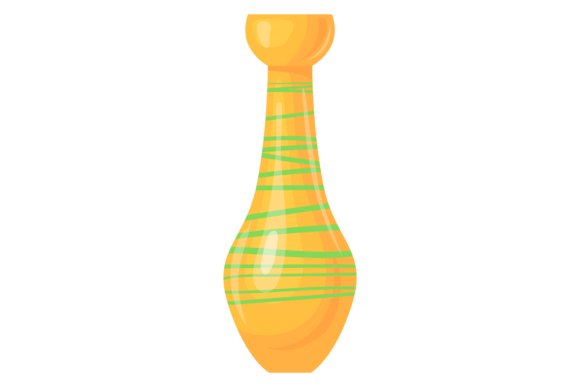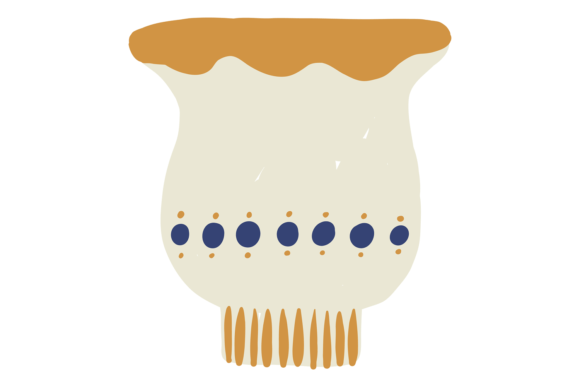
Charming Decorative Ceramic Vase: Cute Patterned Style
There is something undeniably magnetic about objects that blend artistry with utility, and that is exactly the energy captured in the concept of the Decorative Ceramic Vase. Cute Patterned. If you have ever browsed through high-end stationery or admired the branding of a boutique bakery, you have likely seen this aesthetic at play. It represents a specific visual language—often characterized by whimsical line art, hand-drawn textures, and soft, approachable shapes—that feels both personal and polished. For creative professionals, this isn't just about a single asset; it is about harnessing a style that conveys warmth and authenticity without sacrificing professionalism.
In the digital landscape, where sterile minimalism often dominates, incorporating elements that feel "handmade" can be a strategic differentiator. Whether you are looking at a literal ceramic vase illustration or applying this "cute patterned" philosophy to typography and design assets, the goal is to evoke a tactile, human response. This style suggests that care went into the creation of the product. For entrepreneurs and designers, understanding how to deploy this aesthetic effectively can transform a generic brand into a memorable experience.
The Visual Anatomy of "Cute Patterned" Appeal
When we talk about the Decorative Ceramic Vase. Cute Patterned style, we are usually describing a design that prioritizes charm and intricacy. Visually, this often translates to motifs that mimic the imperfections of hand-drawn crockery—think scalloped edges, floral doodles, and organic color palettes. In the context of typography and graphic design, this aesthetic aligns closely with script font families and handwritten font styles. These typefaces often feature irregular baselines and varying stroke weights, which mimic the look of ink drying on paper or glaze settling on clay.
The personality of this style is approachable, whimsical, and artisanal. It avoids the rigidity of geometric sans serif font families. Instead, it embraces a softer form of modern typography that feels nostalgic yet fresh. For a brand identity, adopting this visual personality signals that you value craftsmanship. It tells the customer that there is a human behind the product. This is particularly effective for brands that want to distance themselves from the cold, corporate feel of industrial manufacturing. It creates an immediate emotional connection, making the audience feel welcomed rather than marketed to.
Strategic Applications for Designers and Marketers
Knowing where to apply the Decorative Ceramic Vase. Cute Patterned aesthetic is just as important as understanding what it looks like. This style excels in environments where you need to capture attention quickly and convey a message of quality and care. It is a versatile tool, but it requires context to shine.
For packaging design, this aesthetic is a goldmine. A premium font with a "cute patterned" feel can elevate a simple product into a giftable item. Imagine a tea brand or a scented candle line; using this style on the label instantly communicates the sensory experience inside the box. In editorial design, such as independent magazines or lifestyle blogs, these design assets work beautifully for pull quotes, drop caps, or section headers, breaking up the monotony of standard body text and adding visual rhythm to the page.
Digital applications are equally potent. In web design, using a creative font inspired by this aesthetic for hero images or call-to-action buttons can increase user engagement. It feels less like a command and more like an invitation. For social media graphics, where the scroll is relentless, the organic shapes and patterns associated with this style stop the thumb. It provides a visual break from the harsh, high-contrast imagery that floods feeds. However, for logo design, caution is required; while a "cute" logo works for bakeries and florists, it might lack the authority needed for a law firm or a tech startup.
Integrating into Your Creative Workflow
Adopting a new style or asset requires a practical approach. If you are considering incorporating the Decorative Ceramic Vase. Cute Patterned vibe into your toolkit, you need to evaluate it as a commercial font or design asset with a critical eye. Here is how to ensure it works for your specific needs:
- Evaluate the Font Pairing: A script font or highly decorative display face rarely works well in isolation for long-form content. You need a sturdy partner. A clean sans serif font or a traditional serif font usually provides the best contrast. The "cute" font handles the personality, while the neutral font handles the information.
- Test for Readability: Decorative styles can suffer at small sizes. Test the typeface at the size you intend to use it. If the ligatures or swashes merge into an unreadable blob, it is not suitable for body copy. It should remain a display font used for headlines or accents.
- Check Licensing: Always verify the terms. If you are a small business owner selling merchandise with this design, ensure the license covers commercial use. "Free for personal use" does not cover selling mugs or t-shirts.
- Review Included Styles: Does the font family come with bold or italic versions? Having multiple weights allows for better visual hierarchy within your design, ensuring you don't have to switch fonts just to emphasize a point.
Beyond the Trend: Building Lasting Brand Perception
While trends in modern typography come and go, the desire for human connection remains constant. The Decorative Ceramic Vase. Cute Patterned style taps into a desire for authenticity. When used correctly, it influences brand perception by making a company seem more accessible and transparent. It suggests that the brand values the details.
For content creators and bloggers, consistency is key. Once you choose this aesthetic, commit to it. Use the same font pairing across your website, your PDFs, and your Instagram stories. This repetition builds recognition. Your audience will begin to associate that specific "cute" visual style with your voice before they even read the text.
Ultimately, design is about communication. Whether you are selling a physical ceramic vase or a digital service, the visual wrapper matters. By utilizing assets that embody the "cute patterned" charm—be it through a specific handwritten font or a set of illustrated icons—you inject personality into your work. You move away from generic templates and toward a brand identity that feels lived-in, loved, and distinctly yours. This approach doesn't just make things look pretty; it makes them memorable, which is the ultimate goal of any creative professional.