Tall Flower Vase Icon: Decorative Ceramic for Brand Style
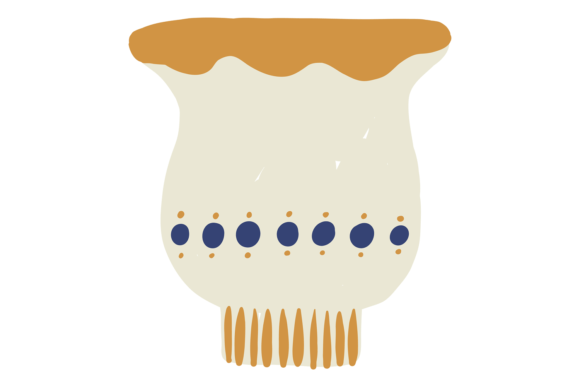
There’s a certain kind of visual element that does more than just fill space—it sets a mood. The Tall Flower Vase Icon. Decorative Ceramic asset is one of those elements. At first glance, it’s a simple illustration: a gracefully elongated ceramic vase, often rendered in a clean, vector style, isolated on a white background. But its power lies in its versatility and the subtle sophistication it brings to a project. This isn't just a clipart flower pot; it's a design asset with a quiet personality, capable of elevating a brand’s visual language without shouting for attention.
Visually, the icon typically presents a timeless silhouette. The lines are clean, the form is elegant, and the style balances between modern minimalism and classic decorative arts. It’s available in the essential formats—EPS, JPG, SVG, and transparent PNG—making it a practical tool for any designer’s toolkit. The SVG format is particularly valuable for web and app design, allowing for infinite scaling without loss of quality. The transparent PNG drops seamlessly into any layout, while the EPS ensures crisp results for high-resolution print projects. Its isolated nature means it’s ready to work as a standalone mark or as part of a larger composition.
Where This Decorative Element Truly Shines
The real-world applications for the Tall Flower Vase Icon are surprisingly broad. Its strength is in its ability to communicate taste, care, and a curated aesthetic. For brand identity, it can serve as a foundational mark for businesses in the wellness, home decor, artisanal goods, floristry, or boutique hospitality sectors. Imagine it on the packaging for a handmade candle line or as a subtle watermark on a high-end stationery set. It instantly conveys a sense of crafted quality.
In editorial design and publishing, this icon works beautifully as a section break, a chapter opener, or a recurring decorative motif in a magazine about interior design, lifestyle, or gardening. For web design, it can be used as a favicon, a custom bullet point, or a visual accent in an “About Us” page to soften a digital interface with an organic touch. On social media graphics, it provides a consistent visual anchor for posts, making a feed feel more cohesive and thoughtfully designed.
Even for personal projects—like a blogger’s header graphic, a crafter’s logo for an Etsy shop, or a hobbyist’s digital planner—the icon adds a layer of professionalism and intentional design. It’s a small detail that makes a big difference in perception.
Integrating the Icon into Your Design System
Using an icon like this effectively requires more than just plopping it into a layout. It needs to be integrated thoughtfully to support your overall visual hierarchy. Its tall, narrow form makes it excellent for framing text or balancing wider elements. Consider its color palette: a monochrome version might suit a minimalist logo design, while a more detailed, textured version could enhance packaging design. Always test how it interacts with your chosen typefaces. It pairs exceptionally well with both elegant serif fonts for a traditional feel and clean sans serif fonts for a modern contrast.
When evaluating if it’s the right fit, ask yourself: Does the icon’s style—its level of detail, its line weight, its overall “personality”—match the voice of my brand or project? A highly decorative ceramic vase icon might clash with a tech startup’s branding but be perfect for a luxury spa. Test it at various sizes to ensure its details remain legible when used small, like as a social media icon, and impactful when used large, as in a hero image.
Finally, always check the licensing for any commercial font or asset you use. Ensure the design assets you acquire are cleared for your intended use, whether for a client project, merchandise, or digital products. The Tall Flower Vase Icon. Decorative Ceramic is a versatile and stylish tool. When used with intention, it helps build a more recognizable, engaging, and professional brand identity, proving that sometimes the most powerful statements are made with the quietest forms.