Exploring Circular Tree Branch: A Round Decorative Font
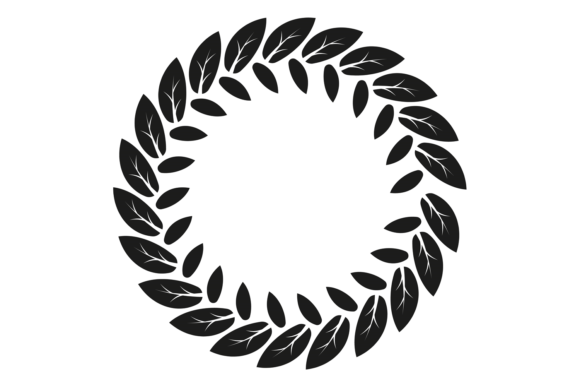
In the crowded world of typefaces, finding a font that carries a distinct personality while remaining versatile is a significant win for any creative project. Circular Tree Branch, often associated with its round decorative floral frame aesthetic, is a creative font that steps outside the rigid lines of standard modern typography. It is not merely a set of characters; it is a design asset that brings an organic, nature-inspired texture to the canvas. For designers and entrepreneurs looking to inject warmth and a hand-crafted feel into their work, understanding the nuances of this typeface is essential.
The Organic Character and Visual Appeal
At its core, Circular Tree Branch is a display font that prioritizes visual impact over pure functionality. The defining feature of this typeface is its construction. The letterforms often mimic the irregular, flowing lines of tree branches, intertwined with delicate floral elements. This creates a "round decorative" feel that avoids sharp, aggressive angles. The personality of the font is inherently earthy, whimsical, and vintage. It speaks to a sense of growth and natural beauty, making it a perfect companion for projects that need to feel authentic and grounded.
The visual weight of Circular Tree Branch is substantial. Because of the intricate details within the letterforms—resembling leaves, vines, or bark textures—it functions best at larger sizes. When used as a headline, it commands attention not through boldness in the traditional sense, but through complexity and artistry. It is a premium font choice for those who want to move away from the sterility of geometric sans serif fonts and the formality of traditional serif fonts. It occupies a unique space similar to an ornate script font or handwritten font, but with a structural integrity that keeps it legible at appropriate scales.
Strategic Applications for Maximum Impact
Knowing where to deploy a creative font like Circular Tree Branch is just as important as the design itself. Its strength lies in its ability to set a specific mood immediately. Here are several areas where this typeface excels:
- Logo Design and Brand Identity: For brands in the wellness, organic food, eco-friendly product, or artisanal craft sectors, this font is a goldmine. It helps build a brand identity that feels connected to the earth. A coffee roaster, a florist, or a yoga studio could use Circular Tree Branch to instantly communicate their values without saying a word.
- Packaging Design: In the realm of packaging design, shelf appeal is everything. Using this font for product names on labels for jams, candles, or skincare products can create a "hand-made" perception. It suggests that care and attention went into the product, which can justify a premium price point.
- Editorial and Publishing: While too decorative for body text, it works beautifully for chapter headings in lifestyle magazines, book covers for fantasy or gardening genres, and pull quotes. It adds a layer of texture to editorial design that standard typefaces cannot achieve.
- Web Design and Digital Media: Used sparingly, it can create stunning hero sections on websites. It is also highly effective for social media graphics, particularly for quotes, announcements, or headers on Pinterest and Instagram where visual distinctiveness drives engagement.
- Event and Personal Use: From wedding invitations to party flyers for a garden party, the font adds a touch of elegance and whimsy that resonates with personal celebrations.
Typography Dynamics: Hierarchy and Pairing
Integrating a decorative typeface like Circular Tree Branch into a layout requires a strategic approach to visual hierarchy. Because the font is highly detailed, it acts as a focal point. If overused, it can clutter a design and harm readability. The best practice is to use it exclusively for headlines or display text, allowing it to shine without competing with other elements.
The art of font pairing is critical here. To maintain a professional and readable design, Circular Tree Branch should be paired with a clean, neutral typeface. A geometric sans serif font (like Montserrat or Lato) provides a modern, clean contrast that grounds the organic nature of the tree branch style. Alternatively, a simple serif font can complement the vintage vibe while ensuring the body text remains easy to read. Avoid pairing it with other script fonts or complex handwritten fonts, as this will create visual chaos and confuse the reader's eye.
Practical Evaluation and Technical Considerations
Before committing to Circular Tree Branch for a commercial project, it is vital to evaluate the technical aspects of the commercial font. As a designer or business owner, you must ensure the asset meets professional standards.
- Readability Testing: Always test the font at the specific size it will be used. While it may look beautiful in a header, ensure that individual letters are distinguishable. Some decorative "S" or "E" shapes can become ambiguous if the branches are too intertwined.
- Reviewing Styles: Check if the font family includes multiple weights or styles. Often, decorative fonts come as a single weight. However, having access to a bold or light version can provide flexibility for web design and varying hierarchy levels.
- Character Set: Verify the character map. Does it support multiple languages? Does it include essential punctuation and numerals? Incomplete character sets can be a major headache during the production phase of print or digital assets.
- Licensing: Since this is likely a premium font, scrutinize the licensing agreement. If you are creating assets for a client or selling merchandise with the font, you need a commercial license that covers "print-on-demand" or "merchandise" usage. Free fonts often have hidden restrictions that can lead to legal issues down the line.
Ultimately, Circular Tree Branch is more than just a typeface; it is a stylistic statement. It bridges the gap between nature and typography, offering a rich, textured alternative to the clean lines of contemporary design. When used thoughtfully, it elevates a project from generic to memorable, ensuring the brand identity leaves a lasting impression on the audience. For the creative professional, it is a valuable tool in the arsenal of design assets