Exploring Decorative Circular Line Pattern in Traditional Indian Art
In the world of design assets, we often find ourselves hunting for that perfect element that bridges the gap between heritage and modernity. When you come across a Decorative Circular Line Pattern in Trad, you are looking at more than just a vector file; you are holding a piece of cultural narrative that has been distilled into a versatile visual tool. This specific aesthetic—often found as an isolated element on a white background in formats like EPS, JPG, SVG, and transparent PNG—offers a unique blend of intricate geometry and organic flow. It speaks to a lineage of craftsmanship while serving the very practical needs of today’s digital and print landscapes.
The Visual Soul of Traditional Line Work
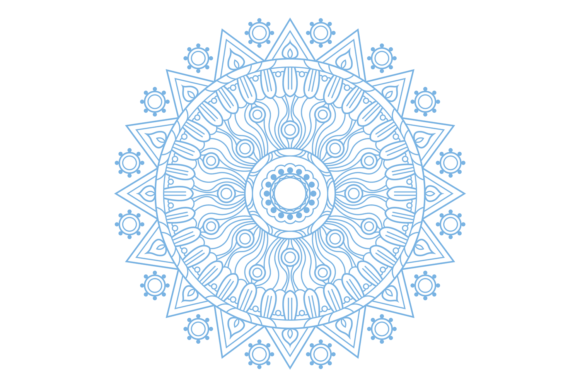
To truly understand the value of this pattern, you have to look past the technical specifications and appreciate its visual personality. Traditional Indian art is rarely random. It is built on principles of symmetry, repetition, and the sanctity of the circle, which often represents the cycle of life or the universe. A Decorative Circular Line Pattern in Trad typically features concentric rings, intricate filigree, and delicate linework that creates a sense of depth and movement.
Unlike a bold, static geometric shape, this pattern has a rhythm. It functions almost like a display font in its ability to grab attention, but it carries the weight of history. The "personality" of this asset is one of sophistication and mindfulness. It doesn't shout for attention; rather, it draws the viewer in with its complexity. For a designer, this is a premium font equivalent in the world of graphic elements—it elevates the perceived value of the project it inhabits. Whether used as a background texture or a foreground focal point, it brings a sense of completeness and intentionality that simpler modern graphics often lack.
Strategic Applications for Modern Creators
How do you take a pattern rooted in tradition and make it work for a contemporary audience? The versatility of the Decorative Circular Line Pattern in Trad is its strongest asset. Because it is available in transparent PNG and vector formats, it is ready for almost any context.
Branding and Logo Design
In logo design, this pattern is a powerhouse for businesses that want to convey trust, heritage, or holistic wellness. Imagine a high-end yoga studio, a sustainable skincare brand, or a boutique consulting firm. Using this circular motif as an emblem or a background texture within a logo can instantly communicate a brand identity rooted in balance and wisdom. It pairs beautifully with clean sans serif fonts for a modern contrast, or with elegant script fonts for a more romantic, nostalgic feel.
Publishing and Editorial Design
For editorial design, the applications are vast. In book cover design, particularly for genres like historical fiction, spirituality, or cultural essays, this pattern can serve as a stunning background that frames the typography. It adds texture to the page without overwhelming the text. When used in magazine layouts, it can act as a divider or a pull-quote background, adding a layer of modern typography meets tradition that keeps the reader visually engaged.
Digital and Web Design
In the realm of web design, subtle animations can bring this pattern to life. A slowly rotating or pulsing circular pattern in the hero section of a website creates a mesmerizing focal point. It is also incredibly effective for social media graphics. In a crowded feed, the intricate details of the pattern stand out, making it ideal for Instagram posts, Pinterest pins, or LinkedIn banners where visual hierarchy is key to stopping the scroll.
Packaging and Physical Products
For physical goods, packaging design utilizing this pattern can transform a simple box into a keepsake. Think about artisanal teas, handmade chocolates, or premium stationery. The circular line art adds a tactile quality to the visual experience, suggesting that the product inside is crafted with care. It turns the packaging into a part of the product's story rather than just a container.
Design Principles: Hierarchy, Readability, and Pairings
Integrating a complex pattern into a design requires a strategic approach to visual hierarchy. The Decorative Circular Line Pattern in Trad is inherently busy, so it demands a thoughtful layout to ensure your message isn't lost.
When it comes to font pairing, contrast is your best friend. Because the pattern is intricate and line-based, it pairs best with typefaces that offer solidity and clarity. A geometric sans serif font provides a clean, modern counterpoint to the ornate lines, ensuring high readability. Alternatively, if you are aiming for a luxurious aesthetic, a high-contrast serif font can complement the pattern’s elegance. However, be cautious with handwritten fonts or overly complex script fonts; unless the script is very legible, combining two highly decorative elements can result in visual clutter.
Readability is paramount. If you are using the pattern as a background for text, consider reducing the opacity of the pattern significantly or placing a semi-transparent overlay between the text and the graphic. This ensures that the creative font you choose for your headlines remains the star of the show, while the pattern provides atmospheric depth rather than distraction.
Practical Guide to Selection and Licensing
When sourcing this asset, you are likely looking for a commercial font or graphic package. Here are a few practical tips for evaluating the fit:
- Check the Vector Quality: Ensure the EPS or SVG files are truly vector-based. This allows you to scale the Decorative Circular Line Pattern in Trad to any size—from a favicon to a billboard—without losing the crispness of the lines.
- Isolation and Backgrounds: The prompt mentions isolation on a white background. This is crucial for versatility. Ensure the PNG files are truly transparent so you can overlay them on colored backgrounds or photography without ugly white boxes.
- Color Adaptability: While traditional colors might be gold or red, a good asset will allow you to easily change the color palette to match your brand identity. Vectors make this easy, but check if the JPG versions come in colorways that suit your project.
- Licensing: Always review the license. If you are a small business owner using this for product packaging or a marketer using it in paid ads, you need to ensure the license covers commercial use. Standard licenses usually cover most uses, but if you are selling the pattern itself (like on a t-shirt print-on-demand site), you may need an extended license.
The Timeless Appeal of the Circle
Ultimately, the enduring appeal of the Decorative Circular Line Pattern in Trad lies in its universality. The circle is a shape that feels complete and reassuring. In a design landscape often dominated by sharp angles and minimalism, this pattern offers a moment of organic beauty. It is a design asset that does more than just fill space; it connects the viewer to a sense of history and artistry. Whether you are crafting a brand identity for a new startup or designing a layout for a cultural publication, this pattern provides a rich visual vocabulary that speaks of quality and intention. It is a reminder that good design often looks backward to move forward, blending the best of traditional craftsmanship with the tools of the modern creator.