Modern Comfort: The Relaxati Couch Aesthetic
More Than Just Furniture
When you hear the phrase "Couch with Decorative Cushions. Relaxati," your mind likely jumps immediately to a physical object—a specific piece of furniture designed for comfort. However, for the creative professional, entrepreneur, or designer, this concept transcends the living room. It represents a specific design language: a visual shorthand for modern typography, approachable luxury, and digital warmth. In the realm of graphic design and brand strategy, the image of a stylized couch adorned with decorative cushions serves as a powerful metaphor for user experience and welcoming brand identity.
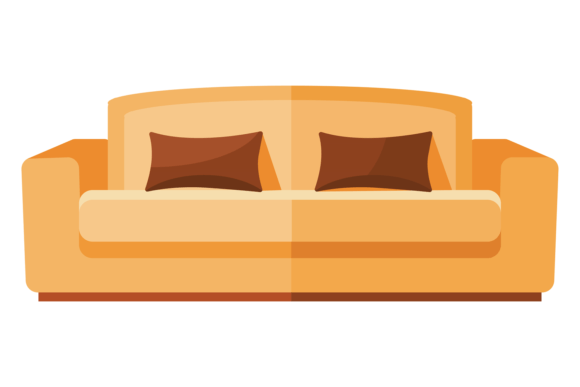
Imagine a vector graphic depicting this scene: clean lines, perhaps a mid-century modern silhouette, softened by plush, textured pillows. Isolated on a white background, this icon—whether in EPS, JPG, or transparent PNG format—becomes a versatile asset. It isn't just a picture of a sofa; it is a symbol of "Relaxation home space." For the marketeer or content creator, utilizing this imagery signals to the audience that the brand is grounded, comfortable, and human-centric. It moves away from the cold, corporate aesthetic and embraces a lifestyle-oriented visual strategy.
The Personality of the "Relaxati" Style
Defining the visual characteristics of the "Couch with Decorative Cushions. Relaxati" style requires looking at it through the lens of design psychology. This aesthetic usually leans towards a balance of structure and softness. The "couch" provides the structural grid—the underlying framework of a layout—while the "decorative cushions" represent the accents: the typography choices, the color pops, and the texture overlays. The personality here is inherently welcoming. It suggests a space where the viewer can linger, which is exactly what content creators and bloggers want their audience to do.
In terms of modern typography, this style often pairs well with sans serif fonts that feature soft, rounded terminals or gentle humanist curves. It avoids the harshness of ultra-condensed geometric types. Instead, it favors typefaces that feel "squishy" yet legible. Think of how a premium font with a slightly wider stance mimics the stability of a sofa, while a script font or handwritten font used for accents mimics the casual throw of a cushion. This visual strategy works exceptionally well for brands in the wellness, interior design, hospitality, and lifestyle sectors. It tells a story of curation and care without using a single word of sales copy.
Strategic Applications for Designers and Brands
For the entrepreneur or small business owner, understanding where to deploy this aesthetic is crucial. The "Couch with Decorative Cushions" concept is a heavyweight in packaging design and editorial design. Imagine a subscription box for home goods; the branding needs to evoke the feeling of opening a package in your living room. Using the isolated PNG of the couch as a focal point on packaging creates an immediate emotional connection. It tells the customer, "This product is for your sanctuary."
Furthermore, in web design and social media graphics, this imagery breaks the monotony of standard stock photos. A transparent PNG of a stylized couch allows for layering—placing it behind text blocks to create depth or using it as a recurring motif in an Instagram grid. It helps in building visual hierarchy. The couch acts as the anchor, grounding the viewer's eye, allowing the designer to place critical information on the "cushions"—the areas of high visual interest. This approach enhances readability because the eye naturally settles on the most comfortable part of the composition first.
Typography and Font Pairing Considerations
Integrating a "Relaxati" aesthetic into your brand identity requires careful selection of complementary typefaces. If you are using a graphic element that represents comfort, your typography must not fight against it. A common mistake is pairing a cozy, organic image with a rigid, industrial sans serif font. Instead, consider a font pairing that mirrors the graphic's warmth.
- The Anchor: Use a sturdy serif font or a geometric sans serif for headers. This represents the "couch"—the reliable structure of your message.
- The Accent: Use a script font or a softer, rounded sans serif for sub-headers or callouts. This acts as the "decorative cushions," adding personality and flair without overwhelming the layout.
- The Texture: Consider a handwritten font sparingly for annotations or "hand-written" notes to add a human touch, reinforcing the idea of a lived-in, authentic space.
When evaluating design assets, look for families that offer multiple weights. A premium font family often includes light, regular, and bold variations, allowing you to maintain consistency across different platforms. This ensures that whether you are designing a billboard or a business card, the "personality" of the space remains consistent. The goal is to create a seamless experience where the typography feels as inviting as the imagery.
Practical Guidance for Asset Integration
How do you actually work with "Couch with Decorative Cushions. Relaxati" assets? First, evaluate the file formats. A vector EPS file is essential for logo design and large-scale printing because it allows you to scale the image infinitely without losing quality. You can recolor the vector cushions to match your specific brand palette, ensuring the asset integrates perfectly with your existing color theory.
If you are working in digital spaces, the transparent PNG is your best friend. It allows the couch to "float" over background images or color blocks. This is particularly useful for social media graphics where you might be overlaying the image on a photo of a real room or a solid brand color. When using these assets, pay attention to lighting. If your graphic has a shadow, ensure it matches the light source of your background image to maintain realism. This attention to detail separates amateur work from professional creative font and asset usage.
Influencing Brand Perception and Engagement
Ultimately, the use of a "Couch with Decorative Cushions" motif is a psychological play. It influences brand perception by making the brand feel less like a corporation and more like a companion. In a digital landscape that can often feel cold and ephemeral, grounding your visual identity in tangible, comfortable objects builds trust.
For the content creator or publisher, this approach increases audience engagement. People are biologically wired to seek comfort. When your visual language speaks to that need—through soft shapes, warm colors, and the suggestion of relaxation—you lower the viewer's defenses. They are more likely to read your blog post, browse your shop, or follow your social channel because the environment feels safe and curated.
Whether you are a crafter selling handmade goods or a strategist building a multinational brand, the principles remain the same. By treating your visual assets not just as decoration but as functional elements of your design system—much like a well-placed cushion supports the body—you create a brand experience that is both beautiful and functional. The "Relaxati" style is not just about looking good; it is about making your audience feel at home.