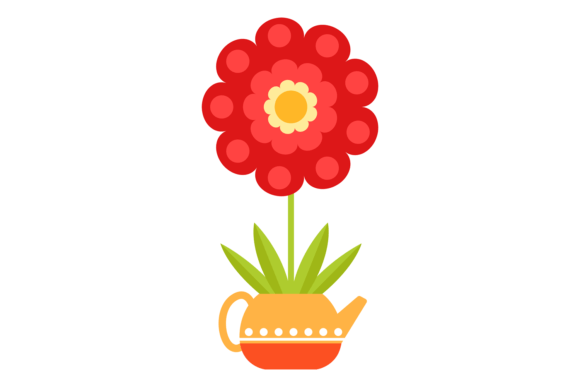
Red Flower in Decorative Teapot: A Cozy Home Decor Accent
There’s a quiet charm in objects that tell a story. A vintage teapot, for instance, isn’t just for steeping tea—it’s a vessel of memory, of slow mornings and shared conversations. Now, imagine that teapot holding a single, vibrant red flower. This specific visual composition, often searched as “Red Flower in Decorative Teapot. Cozy Ho,” captures a timeless aesthetic of warmth, simplicity, and curated comfort. It’s more than a stock image; it’s a design concept that speaks to a desire for authenticity and tactile beauty in our increasingly digital world.
The Visual Language of Comfort and Authenticity
At its core, this image is a masterclass in juxtaposition. The rough, handcrafted texture of a ceramic teapot meets the delicate, organic form of a red flower—perhaps a rose, a poppy, or a daisy. The color red injects life and focal energy against a typically neutral, earthy backdrop. The setting is intentionally “cozy home decoration,” suggesting a lived-in space, a curated shelf, or a sunlit windowsill. Isolated on a white background, as in the EPS, JPG, SVG, and transparent PNG files, it becomes a versatile graphic element. This isolation strips away distraction, allowing the subject’s personality to shine: it’s approachable, nostalgic, and effortlessly stylish. It doesn’t scream for attention; it invites you to look closer.
This visual style aligns perfectly with several modern design movements. It resonates with the hygge philosophy of creating cozy, convivial atmospheres. It fits within the wabi-sabi appreciation for imperfect, transient beauty. For designers and creators, it offers a shorthand for communicating authenticity, warmth, and a human touch. The appeal is universal, crossing age demographics but speaking directly to adults who value quality, story, and a sense of home in both their physical and digital spaces.
Practical Applications: From Branding to Personal Projects
So, where does an asset like “Red Flower in Decorative Teapot” find its home? Its versatility is its greatest strength. For brand identity and logo design, it can anchor brands in the artisanal, gourmet, or wellness spaces. Think of a boutique tea company, a handmade ceramics studio, a local florist, or a cozy café. The image conveys a promise of quality ingredients, careful craftsmanship, and a welcoming experience. It works beautifully as a primary logo mark or a secondary brand element, lending instant character.
In packaging design, this graphic can transform a product. A tea box, a candle label, or a gift wrap featuring this motif immediately communicates a story of comfort and care. For editorial design—in magazines, blogs, or cookbooks—it serves as a perfect spot illustration, breaking up text and adding a visual pause that reinforces themes of home, recipe, and lifestyle. Web designers and social media managers can use it to create consistent, on-brand visuals for headers, blog post featured images, Instagram stories, or Pinterest pins that drive engagement through relatable, aesthetic content.
Beyond commercial use, it’s a gem for crafters and hobbyists. Use the transparent PNG for scrapbooking, digital planning, or creating custom greeting cards. Print the SVG on fabric for a tea towel or a tote bag. The file formats—EPS for scalability, JPG for ease of use, SVG for web and craft cutting machines, and PNG for layering—ensure it’s ready for any project, from a quick social media graphic to a large-scale print.
Integrating the Aesthetic: Design Guidance and Considerations
Working with this kind of illustrative asset requires a thoughtful approach to maintain its integrity. First, consider your color palette. The red flower is the star. Build your scheme around it with complementary neutrals: creamy whites, soft grays, warm beiges, or deep charcoals. A touch of green from foliage, if included, can guide your accent colors. This ensures the design feels cohesive and not cluttered.
For typography, pairing is key. To match the cozy, authentic feel, avoid overly sleek, futuristic sans serifs. Instead, look toward serif fonts with a classic or slightly organic feel, or script fonts that mimic elegant handwriting. A handwritten font could work for a more casual, personal touch. The goal is to create a visual hierarchy where the type complements, not competes with, the illustrative warmth of the teapot and flower. Test your pairings at small sizes to ensure readability isn’t sacrificed for style.
When using the image in layouts, give it breathing room. Its strength lies in its simplicity. Crowding it with other graphic elements will dilute its message. Use it as a focal point in a hero section or as a repeating pattern in a subtle, scaled-down form. Always check the licensing of any asset you use commercially. Most stock sites offer clear commercial licenses, but it’s your responsibility as a designer or business owner to ensure you have the rights for your specific application, whether it’s for a client’s logo or merchandise for sale.
Ultimately, “Red Flower in Decorative Teapot. Cozy Ho” is more than a searchable phrase. It’s a design asset that carries emotional weight. It reminds us that in marketing, in branding, and in our personal creative projects, the most powerful connections are often made through simple, genuine, and thoughtfully composed visuals. It’s a small piece of a larger story—one of comfort, beauty, and the quiet joy of a well-kept home.